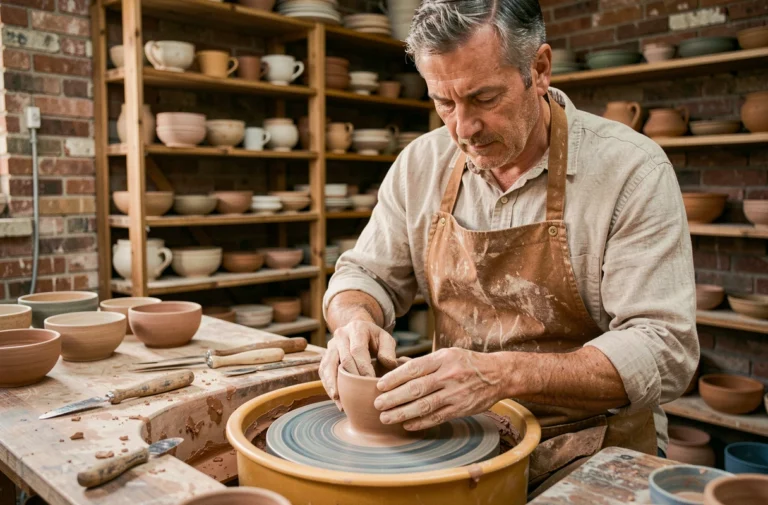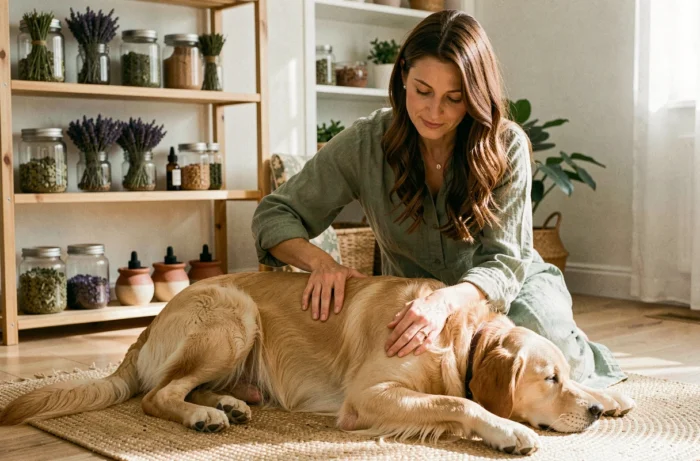
Phytotherapy, aromatherapy, massages, osteopathy: natural healing methods are gaining ground in both human and animal health. Their common point is to prioritize prevention and daily comfort. However, when comparing practices applied to humans and those transposed to animals, the differences in regulatory framework, metabolism, and real risk draw a boundary that the enthusiasm for natural solutions tends to blur.
Natural Care for Humans and Animals: A Comparison of Key Differences
Several so-called gentle disciplines exist in both human medicine and veterinary practice. However, their status, limitations, and regulation diverge on concrete points.
| Criterion | Human Application | Animal Application |
|---|---|---|
| Phytotherapy | Free access in pharmacies and herbal shops, dosages documented by official monographs | Used as a veterinary supplement, but doses vary greatly depending on the species and weight |
| Aromatherapy (essential oils) | Topical or oral use regulated by dilution recommendations | High toxicity in cats (hepatic enzyme deficiency), oral use not recommended without veterinary advice |
| Osteopathy | Regulated profession in France, protected title | Practice reserved for veterinarians or by veterinary prescription |
| Massage / relaxation | Practiced freely, wide range of training available | Offered by animal wellness practitioners, without a unified diploma framework |
| Homeopathy | Reimbursement removed in France, but freely sold | Prescribed by some veterinarians, clinical results poorly documented in animals |
This table highlights a structural gap: the regulatory framework protects humans more than animals in access to natural care. For animals, the responsibility largely rests on the owner and the practitioner they choose to consult.
To delve deeper into these disciplines applied to animals, the care on L’Animal et l’Homme details several complementary approaches used in everyday practice.
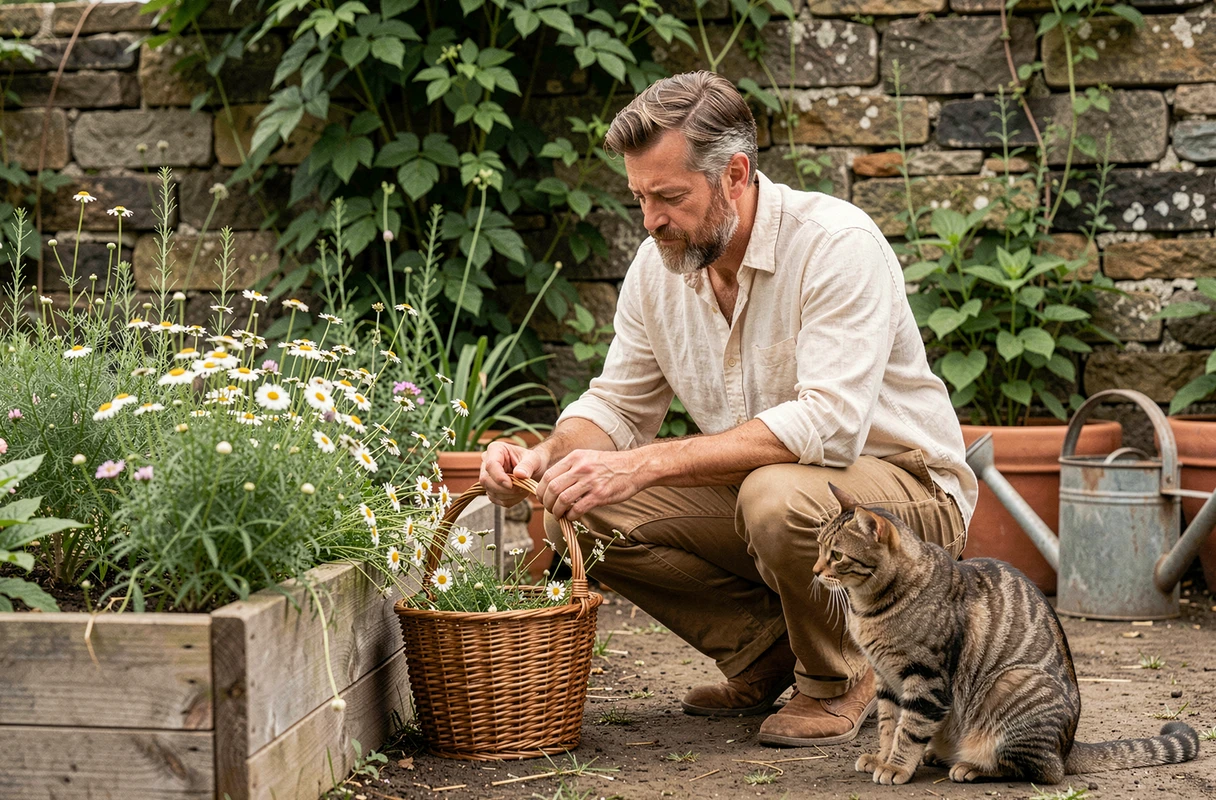
Essential Oils in Animals: The Red Line of Veterinary Safety
Aromatherapy perfectly illustrates the risk of transposing a human practice to animals without adaptation. In humans, true lavender essential oil is used diluted on the skin or in diffusion with known precautions. In cats, the situation is radically different.
Cats lack the hepatic enzyme (glucuronyl transferase) necessary to metabolize phenolic compounds present in many essential oils. Oils containing thymol, carvacrol, or eugenol can cause severe poisoning, even at low doses.
Documented Risky Practices
- Prolonged atmospheric diffusion in a closed space where a cat lives: respiratory irritation and accumulation of toxic compounds
- Direct topical application of tea tree essential oil on a dog or cat: cases of tremors, hypersalivation, and ataxia reported in veterinary toxicology
- Accidental ingestion through licking treated fur: hepatic and neurological risks, particularly in young animals and small species
On the other hand, some essential oils are used in farming under veterinary control, particularly for their antiseptic properties when applied externally to superficial wounds. The difference lies in the supervision of dosage and the choice of molecules compatible with the treated species.
Animal Naturopathy and Self-Medication: Where Danger Begins
Animal naturopathy borrows from human naturopathy its main principles: adapted diet, stress management, phytotherapy, massages. Several specialized sources remind us that these methods are complementary and not substitutive to conventional veterinary medicine.
The problem arises when an owner decides to treat a visible symptom (diarrhea, limping, loss of appetite) with plants or dietary supplements without prior diagnosis. A limping dog may suffer from dysplasia, a stress fracture, or a bone tumor. Administering harpagophytum for weeks delays diagnosis and potentially worsens the prognosis.
Signs That Require a Veterinary Consultation Before Any Natural Care
Some signals allow no delay. Rapid weight loss, sudden behavioral changes, persistent fever, or unusual bleeding require veterinary diagnosis. Animal self-medication becomes dangerous as soon as it delays necessary medical action.
Animal naturopathy, however, finds its relevance in prevention and daily comfort: adapting diet to age and breed, offering calming routines for an anxious animal, using massages for an elderly dog suffering from joint stiffness. These practices do not compete with veterinary medicine; they complement it.
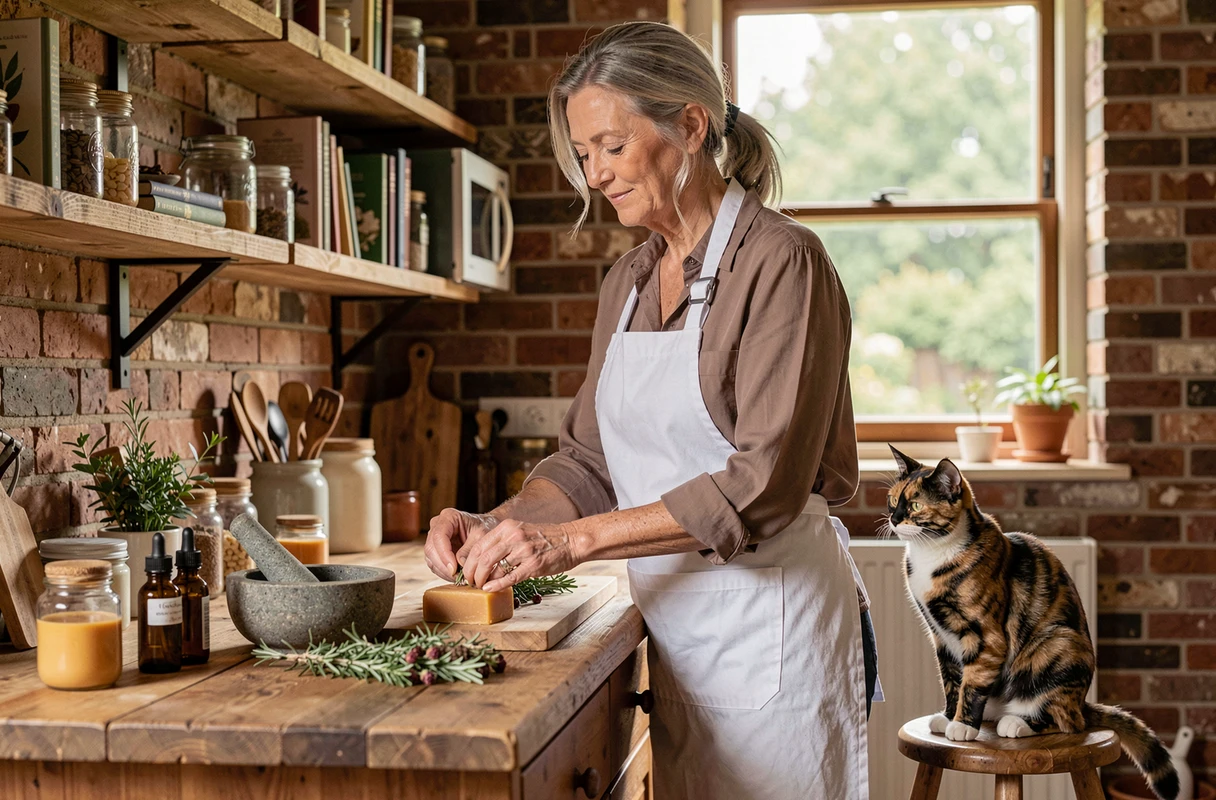
Animal Prevention Through Lifestyle: What Naturopathy Shares with Human Health
Recent natural approaches are no longer limited to remedies. They integrate the environment, physical activity, and social interactions as levers for animal well-being. This shift resembles that observed in human health, where lifestyle prevention is taking on an increasingly important role.
An animal whose environment, diet, and interactions are adapted develops fewer behavioral disorders and chronic pathologies. This observation, shared by several practitioners in animal naturopathy, aligns with the fundamentals of human preventive medicine: move, eat well, reduce sources of stress.
The major difference remains that the animal does not choose its lifestyle. The owner bears the responsibility for all parameters: quality of diet, duration and frequency of outings, mental stimulation, access to an appropriate space. Natural prevention in animals is primarily a matter of human decisions, which makes the education and information of the owner as crucial as the care itself.
The use of natural care, whether for humans or animals, gains coherence when it is based on a reliable diagnosis and a framework suitable for the species. In animals, the owner’s margin of maneuver stops where the risk of delaying veterinary treatment begins, and this limit varies according to species, age, and the nature of the observed symptom.