Preserving an older person’s health and independence is about more than following a list of good habits. It involves constantly balancing medical prevention, adapting the living environment and respecting individual choices. Available data show that the most effective approaches vary depending on age, level of independence and the senior’s surroundings.
Preventive health check-ups and vaccination: two tools to coordinate
Preventive health check-ups with a healthcare professional provide an opportunity to review lifestyle habits, screening and vaccinations at key ages. They help identify risk factors before difficulties arise. Their value lies in their personalised approach: each check-up leads to recommendations tailored to the senior’s needs.
The annual flu and Covid-19 vaccination campaign follows the same preventive approach. Both vaccines can be administered during the same appointment, at two separate injection sites, making the process simpler. Access to vaccination is expanding to give people more opportunities to get vaccinated.
| Preventive measure | Main objective | Recommended frequency |
|---|---|---|
| Preventive health check-up (Mon Bilan Prévention) | Identify risk factors and adjust screening | At key ages (60-65, 70-75) |
| Flu + Covid-19 vaccination | Reduce the risk of serious respiratory infections | Every autumn |
| Protective measures | Limit transmission to vulnerable people | Ongoing, especially during winter |
One point is often overlooked: vaccination does not replace protective measures. Official guidance stresses that these measures remain useful even after vaccination to limit the spread of respiratory viruses. To find advice for seniors on these topics, consult institutional sources and adapt each recommendation to the person’s day-to-day circumstances.
Personalised prevention plan: building a programme with the senior and their loved ones
Turning a medical check-up into practical steps means involving the senior in decisions. A preventive health check-up provides recommendations, but putting them into practice depends on motivation, physical limitations and support from family and friends.
Set priorities according to level of independence
A senior who is still highly mobile has different needs from someone beginning to lose their independence. A personalised plan should prioritise actions.
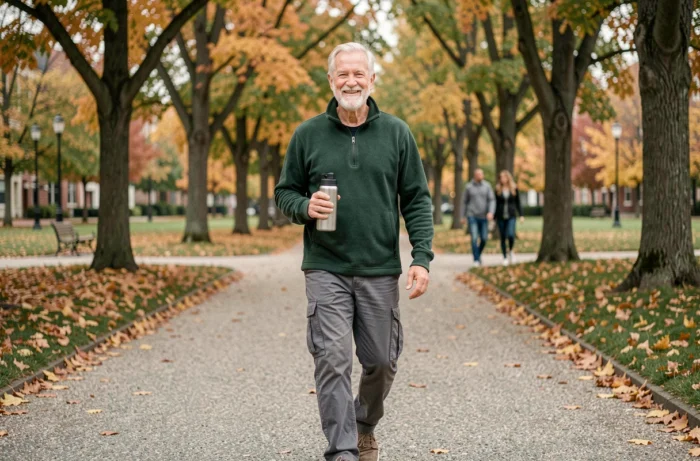
- For an independent person: maintaining regular physical activity, keeping vaccinations up to date, and having screenings suited to their age and family history
- For someone with moderate frailty: preventing falls (adapting the home, balance exercises), monitoring nutrition and reviewing medication
- For someone with significant loss of independence: coordinating family carers, healthcare professionals and home support services, with a focus on comfort rather than performance
Discussing priorities with the senior helps prevent recommendations from being abandoned. Someone who refuses a vaccine or physical activity has their reasons. Identifying them can sometimes help remove a barrier, or make it possible to adjust the goal.
Involve loved ones without treating the senior like a child
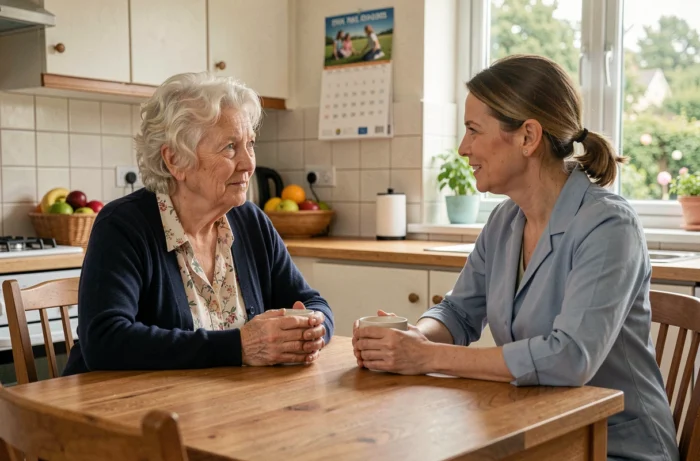
Family carers play a supporting role, but the line between providing help and taking control is a fine one. It can be helpful to formalise the prevention plan during a three-way discussion involving the senior, a designated family member and a healthcare professional. Everyone then understands the goals, agreed limits and warning signs to watch for.
Physical activity and nutrition for seniors: the differences that matter
Physical activity and nutrition are the two pillars most often cited in prevention research. Their impact on independence is well documented, but practices vary considerably among seniors.
Seniors expend more energy than young adults doing the same activity. This changes how exercise should be approached: the aim is not intensity, but consistency and adaptation. Daily walks, balance exercises and light strength training meet most needs.
When it comes to nutrition, people feel full sooner as they age, and feel less thirsty. Three meals a day, supplemented with snacks (yogurt, fruit) and regular hydration (water, herbal tea, soup), provide a good foundation. Protein deserves particular attention: eggs, meat or fish at least once a day help preserve muscle mass. Dairy products contribute to bone strength.
Home safety and social connection: two overlooked aspects of prevention
Preventing loss of independence is not just a matter for the doctor’s office. The home and social environment matter just as much as medical follow-up when it comes to maintaining independence.
Adapt the home to reduce the risk of falls
Falls are among the leading causes of hospitalisation and loss of independence in older people. A few targeted modifications can measurably reduce this risk.
- Remove slippery rugs and keep walkways clear
- Install grab bars in the bathroom and near the toilet
- Improve lighting in hallways, staircases and bedrooms
- Keep everyday items within easy reach, so there is no need to bend down or climb onto a stool
These changes do not turn the home into a medical facility. They remove practical hazards that can cause preventable accidents.
Maintain social connections to protect mental health
Isolation accelerates cognitive decline and worsens depression. Social connection is as protective as physical activity. Taking part in group activities, keeping in regular contact with loved ones or joining local prevention workshops can help maintain cognitive abilities and self-esteem.
Prevention workshops, available through pension funds or local authorities, cover a range of topics: memory, balance, nutrition and digital skills. They provide a structured setting that combines mental stimulation with human contact.
Maintaining independence depends on a coordinated range of measures, not a single intervention. A preventive health check-up remains the most reliable starting point for building a suitable plan, provided the senior is an active participant rather than simply its recipient.