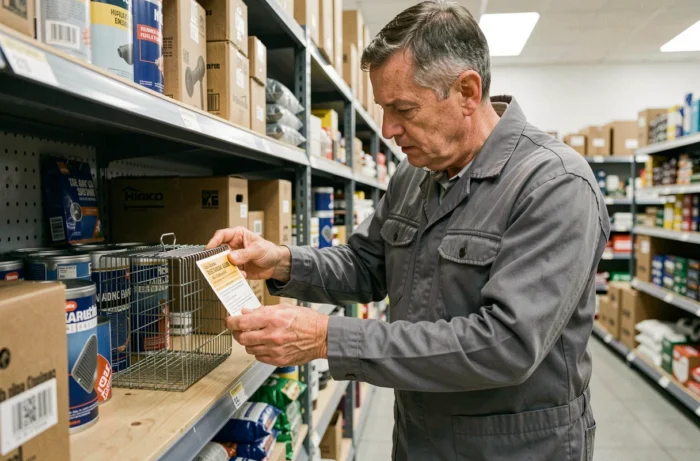
The weasel rarely settles by chance. Attics, the space above the garage, technical ducts: it exploits a specific access point and returns out of habit. Before pushing the door of a DIY store, one must know what type of trap corresponds to the building’s configuration, and especially what selection errors render the device useless.
Wire mesh and rod diameter: what the structure of a live capture trap reveals
The live capture traps sold in DIY stores share a common principle: a frame made of welded or bent steel wire, one or two flap entrances, a trigger paddle. The differences lie in the manufacturing details.
The diameter of the wire determines resistance to bites. An adult weasel exerts jaw pressure sufficient to deform wire that is too thin. We recommend visually checking the thickness of the wire in the aisle: wire that is too light can be recognized by its flexibility when pressure is applied to the side panel. A rigid wire that does not bend under thumb pressure indicates an appropriate diameter.
The spacing between the mesh is equally important. A mesh that is too wide allows the animal to pass a paw or snout and force the flap from the outside. For those looking to find a weasel trap at Brico Dépôt or another store, examining the mesh remains the first reflex to have in front of the physical product.
Another often overlooked point: the transport handle. A trap without a top handle forces one to grab the trap by the sides, exposing fingers to scratches when moving the captured animal.
Weasel trap with one or two entrances: selection criteria in-store
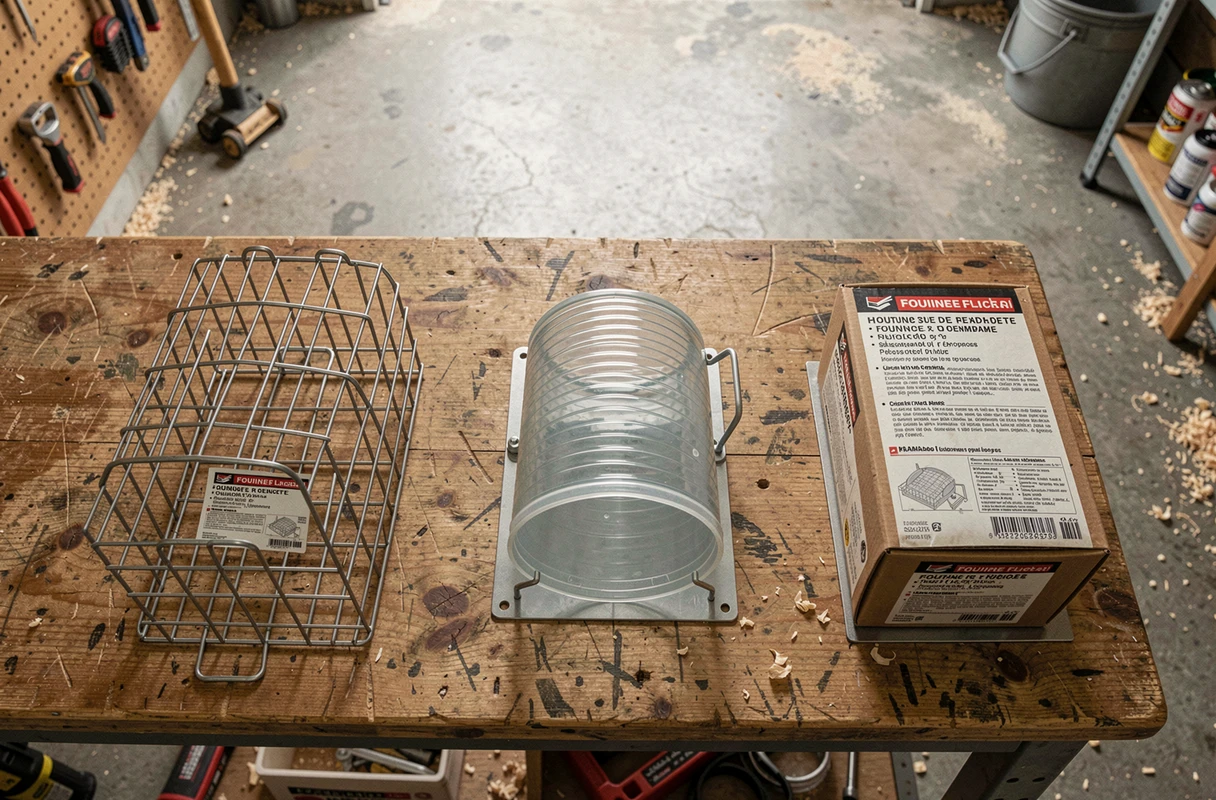
DIY stores offer two main configurations. The one-entry trap is suitable for narrow passages (ducts, attic corridors, under the roof). The two-entry trap works better in open spaces, as it gives the animal a sense of crossing that reduces suspicion.
In the aisle, the distinction is not always obvious on the packaging. Here are a few quick verification criteria:
- Count the number of movable flaps: a single articulated side means a single entrance, while two articulated sides indicate a double access model.
- Observe the trigger paddle: on a two-entry model, it is centered. On a one-entry model, it is offset towards the back.
- Check that the closing mechanism triggers under light weight, without excessive play that would delay the flap’s fall.
The choice directly depends on where the trap will be placed. There’s no need to buy a double-entry model for an L-shaped passage under a sloping roof: the animal only moves in one direction there.
Testing the mechanism in-store
We observe that the majority of buyers do not test the trigger before purchase. Setting the trap in-store, pressing the paddle, and observing the speed of the flap’s closure takes less than a minute. A flap that takes more than a second to close is too slow for a weasel, a quick animal that retreats very rapidly as soon as it senses resistance under its paws.
Bait and placement: the two variables that determine the outcome
The best-designed trap remains empty if the bait or positioning is poor. Field reports all converge on the same observation: the scented bait placed at the back of the trap is more decisive than the brand of the trap.
Weasels are attracted to animal proteins. A whole egg, a piece of raw meat, or smoked fish work well. Sweet baits (fruits, honey) yield more unpredictable results depending on the season and the availability of food around the house.
Placement follows the logic of a passage zone. The weasel follows regular routes, often identifiable by its droppings (elongated, twisted shape, with fragments of bones or fur). Placing the trap directly on this route, in a dark corner, significantly increases the chances of capture.
One often ignored point: wearing gloves when handling the trap and bait. Human scent on metal or food is enough to deter the animal for several days.
Departmental regulations on weasel trapping
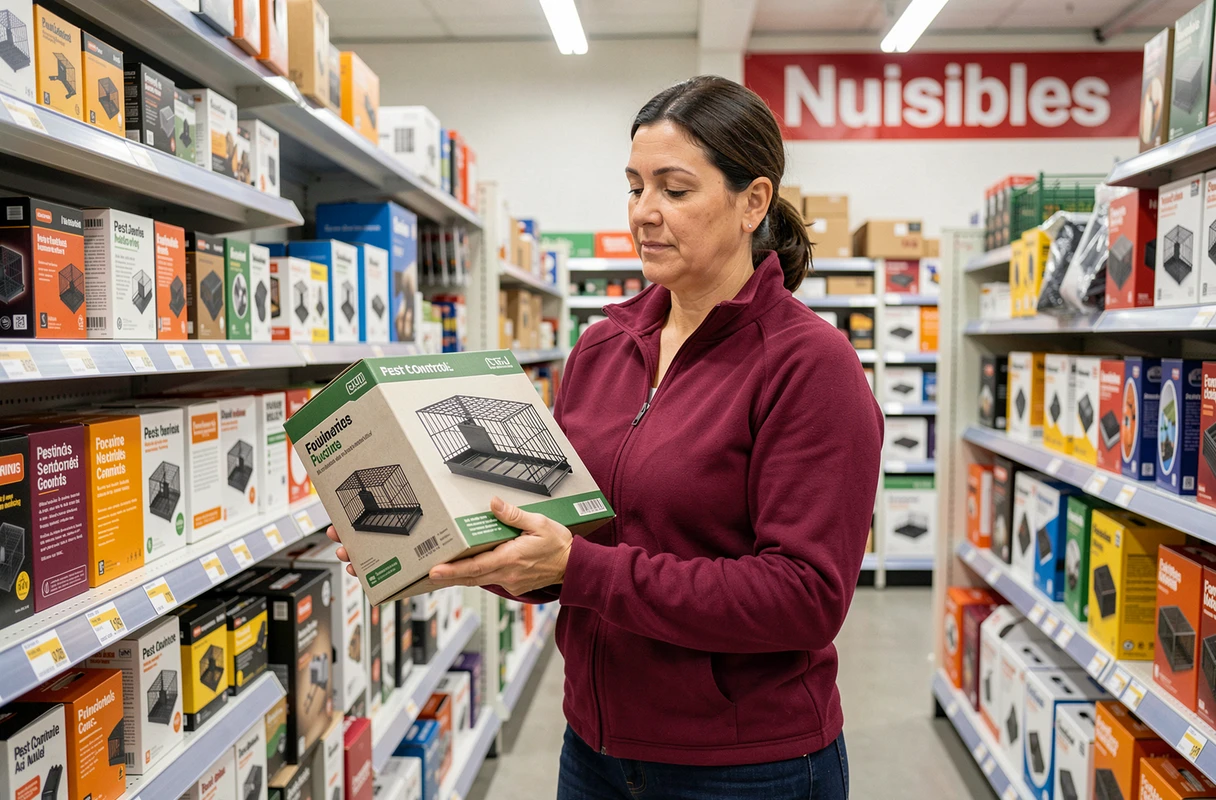
Buying a trap in a DIY store does not automatically grant the right to use it. In France, the weasel appears on departmental lists that determine whether it is classified as a species likely to cause damage. This classification varies from one department to another and is subject to regularly updated prefectural orders.
Before any setup, we recommend consulting the current order in the relevant department. The usual obligations include:
- Declaring the trap to the town hall or the departmental hunting federation in certain cases.
- Checking the trap daily, at least once a day, to avoid leaving a captured animal without water or food.
- Releasing it at a sufficient distance from the capture site if live capture trapping is permitted.
A trap that is not checked daily can lead to penalties and poses an obvious ethical problem. This regular control clearly distinguishes the use of a live capture trap from a purchase that would be set without follow-up.
Completing the trap with access treatment
A weasel trap used alone rarely produces a lasting result. The captured and released animal is replaced by a counterpart if the welcoming conditions remain the same. Accessible food sources (open trash cans, pet bowls left outside, poorly secured chicken coops) and unsealed openings in the roof or cladding attract new individuals.
Blocking access with fine mesh wire, installing plates over attic entrances, and eliminating food sources around the house are essential complements to trapping. Without this step, the trap remains a temporary solution.